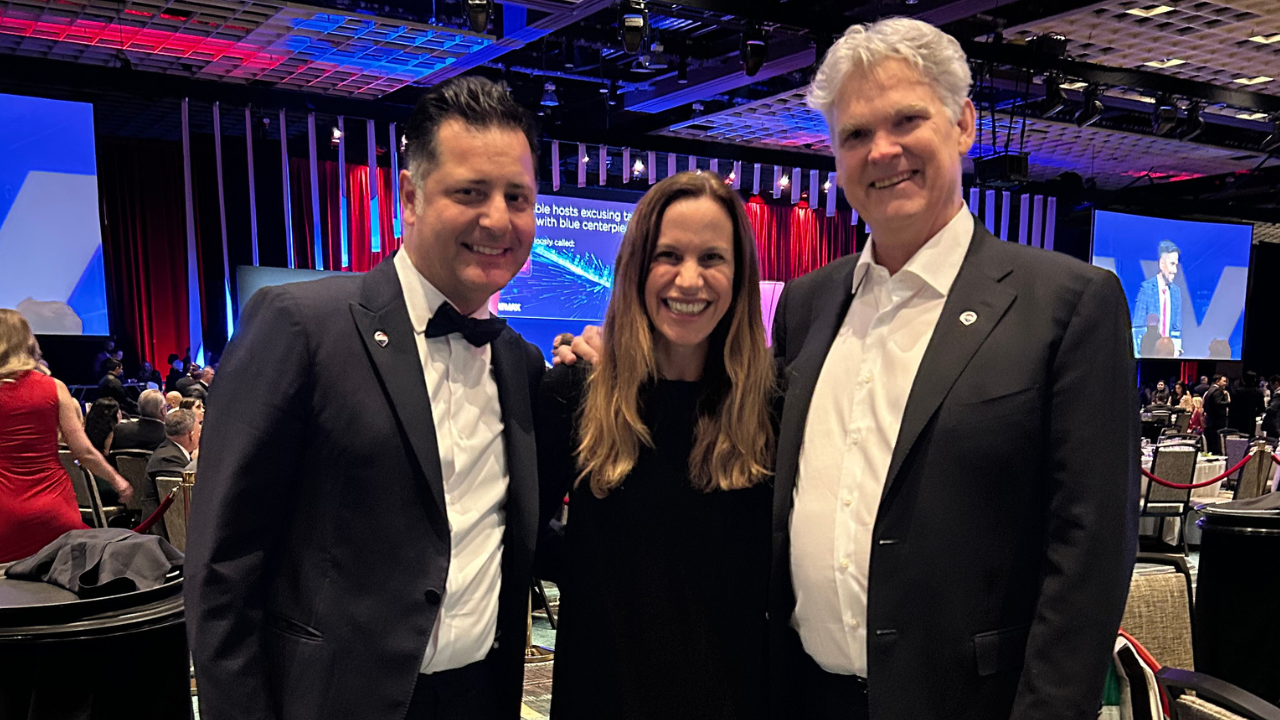
The first two months of 2026 have been filled with conventions and conferences from BUZZ to Inman, and now as I write this from R4 and I’m genuinely glad I made the time to attend all of them. Not because of the size of the stages or the names on the panels, but because the message across every room landed with unusual clarity. In a business that moves as fast as ours, stepping out of the day-to-day is not a luxury, it’s a requirement. This is where you pressure-test your thinking, see around corners, and understand not just what is happening, but why it’s happening. The people who stay close to these rooms tend to lead the change. The ones who don’t eventually react to it.
I went in expecting the usual mix of big headlines and bigger promises. And to be fair, the headlines delivered, market shifts, mergers, and the new force everyone is talking about, AI. But the real story wasn’t on the surface. It was underneath. The deeper conversation wasn’t about any of those things in isolation. It was about market share power, data, margin control, and ultimately who owns the economics of our industry going forward.
The largest headline in 2026, of course, has been the merger between Compass and Anywhere Real Estate. At roughly 340,000 agents combined, nearly one-fifth of the U.S. agent population, it represents one of the most significant consolidation events we’ve seen. But what stood out wasn’t the size. It was the intent. This wasn’t about ego or theatrics. It was about public-market pressure and narrative control. Public companies must demonstrate growth, stability, or a credible long-term innovation story. Consolidation becomes one way to signal strength. The real takeaway, however, is simple: scale is not the strategy, execution is. Poorly executed scale only creates larger inefficiencies. Well-executed platforms win regardless of size because they convert structure into results.
As the conversations moved deeper, one theme showed up consistently across panels and private discussions, data and more specifically, listings. In real estate, data is not abstract. It is inventory. A listing represents consumer intent, market signal, leverage, and lead origination. Whoever controls listings controls economic power. Once you see it through that lens, the tension between brokerages and portals is no longer emotional, it’s structural.
Zillow built the modern data monetization model years ago successfully in US. Brokerages create the inventory, consumers search on the portal, and agents pay 30–35 percent referral fees to access demand tied to their own listings. Many agents sit in the middle of that model, appreciating the leads while questioning the economics. That tension is now evolving into a much larger strategic question; should we continue outsourcing the monetization of the very asset we create? Listings are not just marketing, they are the product. And when you look at moves like RBC and REALTOR.ca forming strategic partnerships, it’s clear the landscape is shifting. We should expect more platforms, more options for consumers, and more competition around MLS portals and how data is distributed and monetized.
One of the strongest signals from Inman was that the industry may actually be moving “backward” but in the most intelligent way possible. Back toward ownership. Back toward control of listings, distribution, and engagement. We are moving from a lead-generation economy to a listing lifetime-value economy. Leads are commodities. Relationships are assets. That shift changes how we think about everything.
It also reinforces something that has always been true but is now becoming critical again:, the agents who will stay ahead are the ones who understand the power of “list to last.” Control the listing, control the relationship, control the data and you control your future. That philosophy isn’t outdated; it’s foundational. In a world where leads can be bought, duplicated, and resold, the only defensible position is owning the relationship from start to finish. The agents who master that will not just navigate this market, they will lead it.
AI was a major part of the conversation as expected, but the real insight wasn’t about content or automation. It was about execution. One phrase that stayed with me was the “Infinite Software Crisis.” We are automating more, producing more, and generating more output than ever before, yet many organizations are not translating that into profitability. That’s the gap. This is not an AI crisis, it’s an execution crisis.
AI can generate emails, summarize calls, and trigger workflows, but without redesigning how work flows and how engagement converts into revenue, it simply creates noise. Features are everywhere. Outcomes are not. And that’s where the separation will happen. The platforms and agents that win will be the ones who turn engagement into measurable results.
The highest-return opportunity in AI is not content generation, it’s engagement discipline. The real question is no longer “How many leads did we buy?” It’s “How deeply did we engage the people we already have?” Most databases are underworked. Most opportunities are sitting idle. AI, when applied correctly, removes friction and amplifies the agent’s ability to connect, follow up, and convert. It doesn’t replace the agent, it exposes where discipline is missing.
At the same time, consolidation is no longer cyclical, it’s structural. Capital is repositioning across brokerage, mortgage, and technology. Agent count, once a badge of honor, is losing relevance. The real indicators of value are market share of listings, agent productivity, margin discipline, and ownership of data. The middle of the market, firms without strong listing market share or agents producing at a high level is under the most pressure. You either move up into platform leverage, move down into localized dominance, or become a customer of someone else’s system.
Underlying all of this, market shifts, mergers, AI, and data strategy was one consistent theme, trust. Transparency, seller choice, competition, and professionalism remain the foundation of this business. If trust weakens, the system weakens. If we protect trust while improving efficiency, the industry becomes stronger, more professional, and more sustainable.
I am optimistic, not because the industry is easy, but because it is clear. This industry is not collapsing; it is sorting. Agent count will decline. Brokerages will consolidate. AI will remove administrative drag. And human advisory value will increase. The winners will be those who
protect their data, control their engagement, defend their margins and elevate their professionalism through education and training.
My advice is simple. Focus on outcomes over features. Engagement over volume. Discipline over hype. Agent and client value above everything else. As we move through 2026, the real work is in application—how we think about data ownership, particularly listings, how we position monetization, and how we use AI to drive measurable engagement and results.
Because at the end of the day, this industry is not being disrupted by outsiders alone. It is being reorganized by market share, consumers confidence, capital, data, and execution. And in a world full of noise, clarity and the discipline to act on it will decide who wins next.
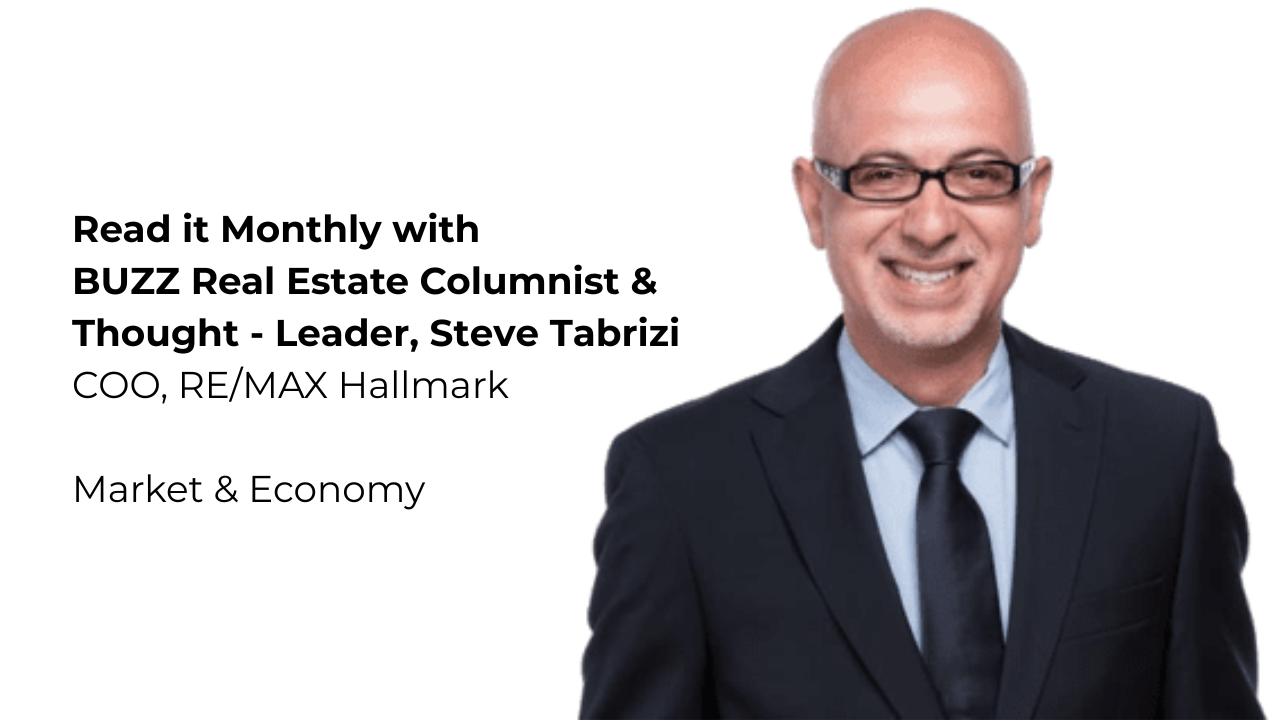
By Steve Tabrizi, COO REMAX HALLMARK
BUZZ Real Estate Columnist & Thought – Leader
To learn more, visit REMAX HALLMARK